

 By
By Maintaining temperature using thermal energy
Learn about the purpose, usage, and global adoption of heating systems. Discover why heating is essential and which countries rely on these systems the most.
A mechanism for maintaining temperatures at an acceptable level using thermal energy within a home, office, or other dwelling.Heating systems are an essential component of modern living, providing the warmth necessary to maintain comfort and safety during cold weather. From residential homes to large industrial complexes, heating systems play a crucial role in creating habitable indoor environments.
What are Heating Systems?
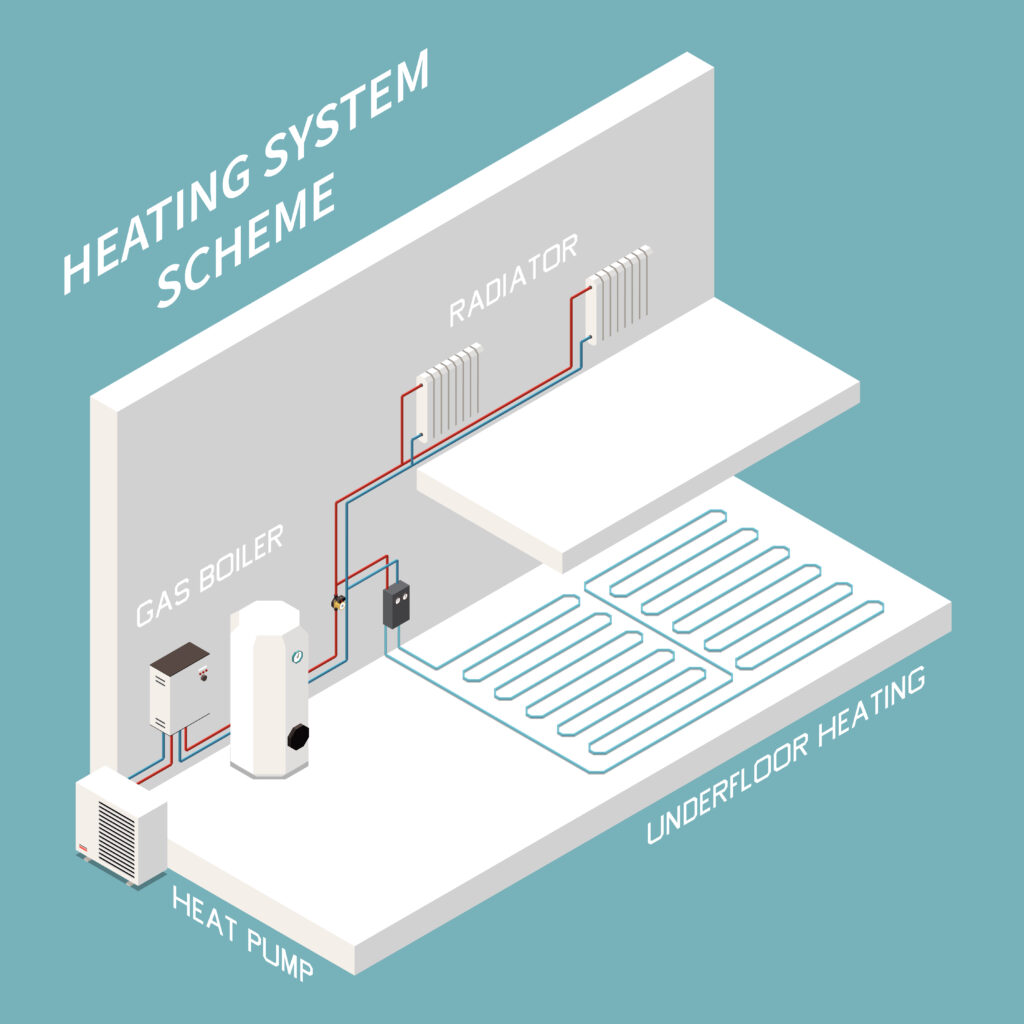
Heating systems are designed to generate and distribute heat throughout a building to maintain a comfortable indoor temperature during colder months. These systems can vary widely in complexity and type, including furnaces, boilers, heat pumps, and electric heaters. Each system has its own method of producing heat, whether through burning fuel, using electricity, or leveraging the principles of thermodynamics.
Types of Heating Systems
- Central Heating Systems: These systems produce heat in one central location and distribute it throughout the building. This category includes furnaces, boilers, and heat pumps. Central heating systems provide consistent temperature control, whole-house heating, and improved indoor air quality.
- Distributed Heating Systems: These systems generate heat in the space they are to heat without extensive duct systems. Examples include electric space heaters, fireplaces, and solar heating. Distributed heating systems are often used in areas where central heating systems are not feasible or cost-effective.
- Heat Pumps: Heat pumps can be used for heating and cooling, transferring heat using refrigerant and electricity. They are more efficient than other heating systems and can be used in a variety of settings
Purpose of Heating Systems
The primary purposes of heating systems are:
- Comfort: Heating systems ensure that indoor spaces remain warm and comfortable, regardless of the outside temperature. This is particularly important in residential settings, where maintaining a cozy environment is key to well-being.
- Health and Safety: Adequate heating is vital for preventing hypothermia and other cold-related health issues. It also helps in reducing the risk of mold growth and dampness in buildings, which can lead to respiratory problems.
- Protecting Property: Heating systems help in maintaining the structural integrity of buildings by preventing issues caused by freezing temperatures, such as burst pipes and damage to building materials.
- Productivity: In commercial and industrial settings, maintaining a comfortable temperature is essential for the productivity and efficiency of workers.
Where are Heating Systems Used?
Heating systems are employed in various settings, including:
- Residential Buildings: Homes, apartments, and condos use heating systems to provide a comfortable living environment for occupants.
- Commercial Buildings: Offices, retail stores, and restaurants rely on heating systems to create a pleasant atmosphere for employees and customers.
- Industrial Facilities: Factories, warehouses, and other industrial buildings use heating systems to ensure safe working conditions and protect equipment and materials.
- Public Buildings: Schools, hospitals, and government buildings use heating systems to provide a comfortable environment for the public and employees
Countries with High Heating System Usage
Heating systems are essential in regions with cold climates, where maintaining indoor warmth is crucial for survival and comfort. Some of the countries with the highest usage of heating systems include:
- Canada: With its harsh winters, Canada relies heavily on various heating systems to keep homes and buildings warm.
- Russia: Known for its extreme cold, Russia has a widespread and robust heating infrastructure.
- United States: Particularly in northern states and regions with severe winters, heating systems are a necessity.
- Scandinavian Countries: Norway, Sweden, Finland, and Denmark all experience long, cold winters, making efficient heating systems essential.
- United Kingdom: The UK has a relatively mild but consistently cold winter season, requiring reliable heating in both homes and businesses.
Conclusion
Heating systems are a critical component of building infrastructure in cold climates, providing the necessary warmth for comfort, health, and safety. They are widely used in residential, commercial, and industrial settings across the globe, particularly in countries with harsh winter conditions. As technology advances, heating systems continue to evolve, becoming more efficient and environmentally friendly, ensuring that we stay warm and comfortable even in the coldest of winters.
FAQs
Q1: What are the different types of heating systems?
A1: The main types of heating systems include furnaces, boilers, heat pumps, and electric heaters. Each type operates differently, using various methods to generate and distribute heat.
Q2: Why are heating systems important?
A2: Heating systems are crucial for maintaining comfortable indoor temperatures, ensuring health and safety, protecting property, and enhancing productivity in both residential and commercial settings.
Q3: Which countries use heating systems the most?
A3: Countries with cold climates, such as Canada, Russia, the United States, and Scandinavian countries, have the highest usage of heating systems due to their harsh winter conditions.
Q4: How do heating systems impact energy efficiency?
A4: Modern heating systems are designed to be energy-efficient, reducing overall energy consumption and lowering utility bills while maintaining optimal indoor temperatures.
Q5: Can heating systems help with indoor air quality?
A5: Yes, many heating systems include air filtration components that help improve indoor air quality by removing dust, allergens, and other pollutants.

1 Comment
Comments are closed.