

 By
By Discover the purpose and usage of Heating, Ventilation, and Air Conditioning (HVAC) systems. Learn why HVAC is essential, where it’s used, and which countries rely on these systems the most.
Heating, Ventilation, and Air Conditioning (HVAC) systems are essential for modern buildings, ensuring indoor environments remain comfortable, healthy, and energy-efficient. These systems are a staple in the couple residential and commercial structures, providing critical functions that maintain air quality and temperature control.
What are HVAC Systems?
HVAC stands for Heating, Ventilation, and Air Conditioning. These systems intend to regulate the temperature, humidity, and air quality inside a building. They comprise three main functions:
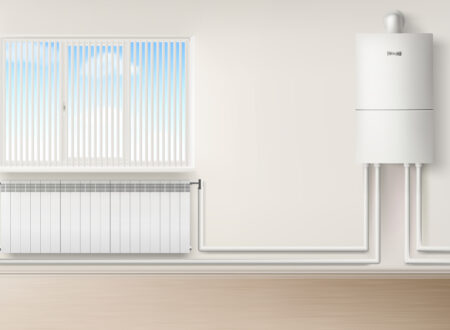
- Heating: This component maintains warm indoor temperatures during colder months. It typically involves furnaces, boilers, heat pumps, and radiators.
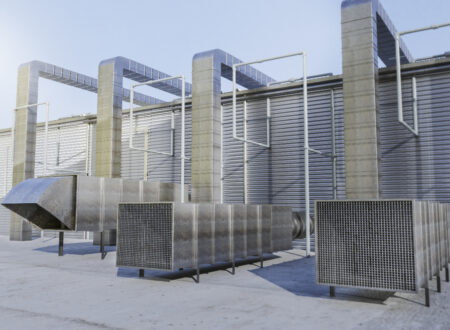
- Ventilation: It includes exchanging or replacing air within a space to ensure high indoor air quality. It removes moisture, smoke, odors, heat, dust, airborne bacteria, carbon dioxide, and other contaminants while controlling temperature and replenishing oxygen.
- Air Conditioning: This component provides cooling and humidity control. Air conditioning systems range from small, portable units to large central systems that cool entire buildings.

Purpose of HVAC Systems
The primary purposes of HVAC systems are:
- Comfort: HVAC systems regulate the temperature and humidity levels to ensure a comfortable environment for occupants, regardless of the external weather conditions.
- Health: By filtering and ventilating air, HVAC systems help to maintain good indoor air quality, reducing the risk of respiratory issues and other health problems caused by pollutants and allergens.
- Energy Efficiency: Modern HVAC systems are produced to be energy-efficient, reducing the energy consumption of buildings and lowering utility bills.
- Protecting Property: Enough heating and cooling protects buildings’ structural integrity and guards against high humidity and temperature-related damage.
Where are HVAC Systems Used?
HVAC systems are ubiquitous in various settings, including:
- Residential Buildings: Homes, apartments, and condominiums rely on HVAC systems to maintain comfortable living conditions year-round.
- Commercial Buildings: Offices, retail spaces, restaurants, and hotels use HVAC systems to ensure a pleasant environment for employees, customers, and guests.
- Industrial Facilities: Factories, warehouses, and other industrial settings use HVAC systems to control the climate of each worker and sensitive equipment.
- Healthcare Facilities: Hospitals, clinics, and nursing homes require stringent air quality and temperature control to protect patients and staff.
- Educational Institutions: Schools, colleges, and universities use HVAC systems to provide a conducive learning environment.
Countries with High HVAC Usage
HVAC systems are prevalent worldwide, but their usage is uniquely high in countries with extreme weather conditions. Some of these countries include:
- United States: With diverse climates ranging from frigid winters in the north to hot summers in the south, HVAC systems are fundamental throughout the country.
- Canada: Known for its cold winters, Canada relies heavily on heating systems, although air conditioning is also essential in the summer.
- Australia: With its hot climate, air conditioning is crucial for ease in Australian homes and businesses.
- United Arab Emirates: In regions with extremely high temperatures, like the UAE, air conditioning is essential.
- Japan: HVAC systems are vital in Japan due to its humid summers and cold winters, ensuring year-round comfort.

Conclusion
HVAC systems play a critical role in maintaining comfort, health, and energy efficiency in indoor environments. From residential homes to large commercial and industrial buildings, in the current world, these systems are necessary. As technology advances, HVAC systems continue to become more efficient and effective, adapting to the needs of various climates and improving the quality of life for people worldwide.


2 Comments
Comments are closed.